

Walking the West Highland Way in Summer
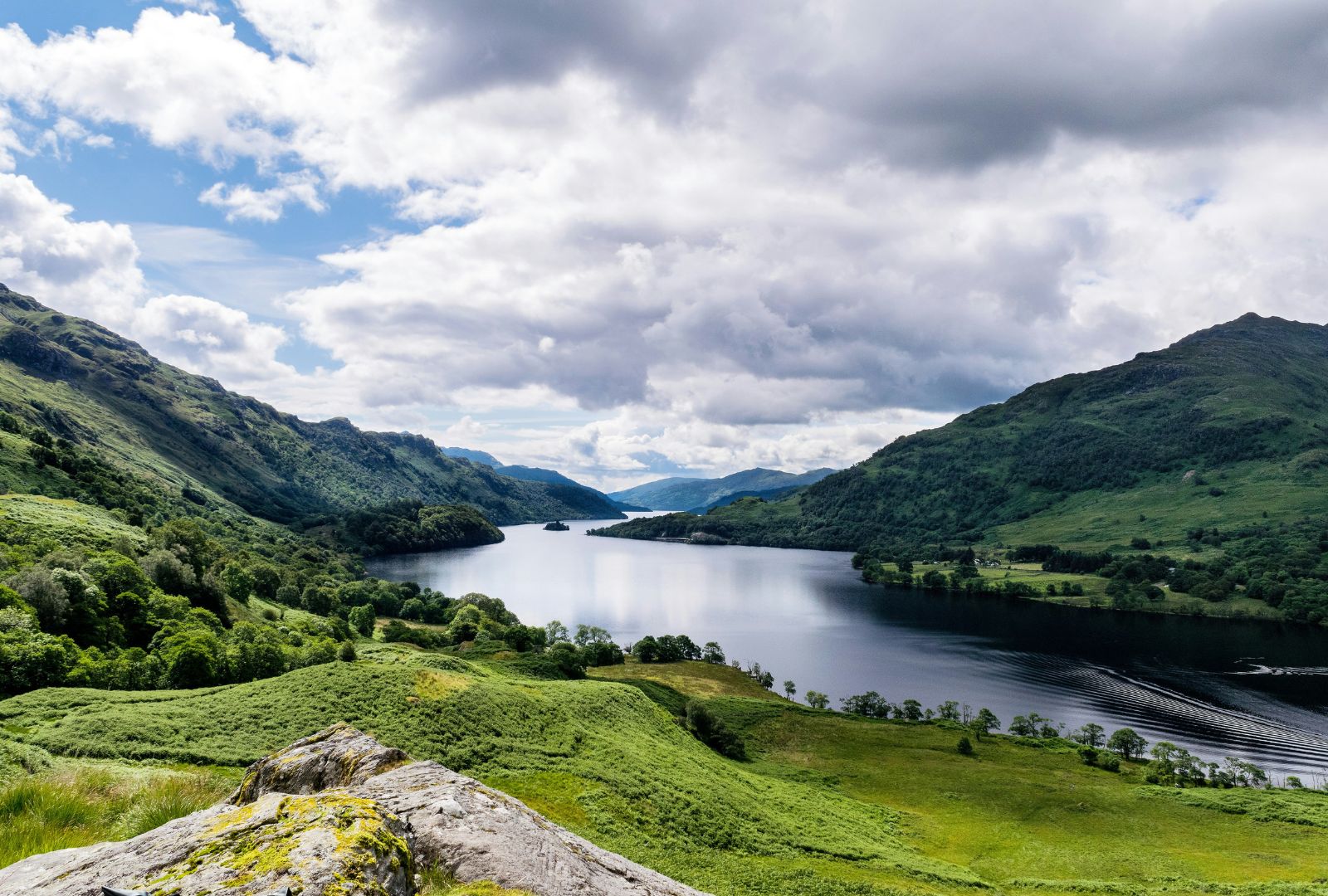
If you’re planning a walking holiday in Scotland, the West Highland Way has got to be top of your bucket list. This world-famous long-distance trail takes you through some of the most spectacular scenery in the Scottish Highlands. Moorlands, countryside parks and lochs greet you throughout your journey.
Former Maximum Adventure Travel Planner Kate spent nine days walking the West Highland Way. She says, ‘Walking the West Highland Way was the most beautiful adventure, and I would recommend this journey and all its sights to anyone.’
What is the West Highland Way?
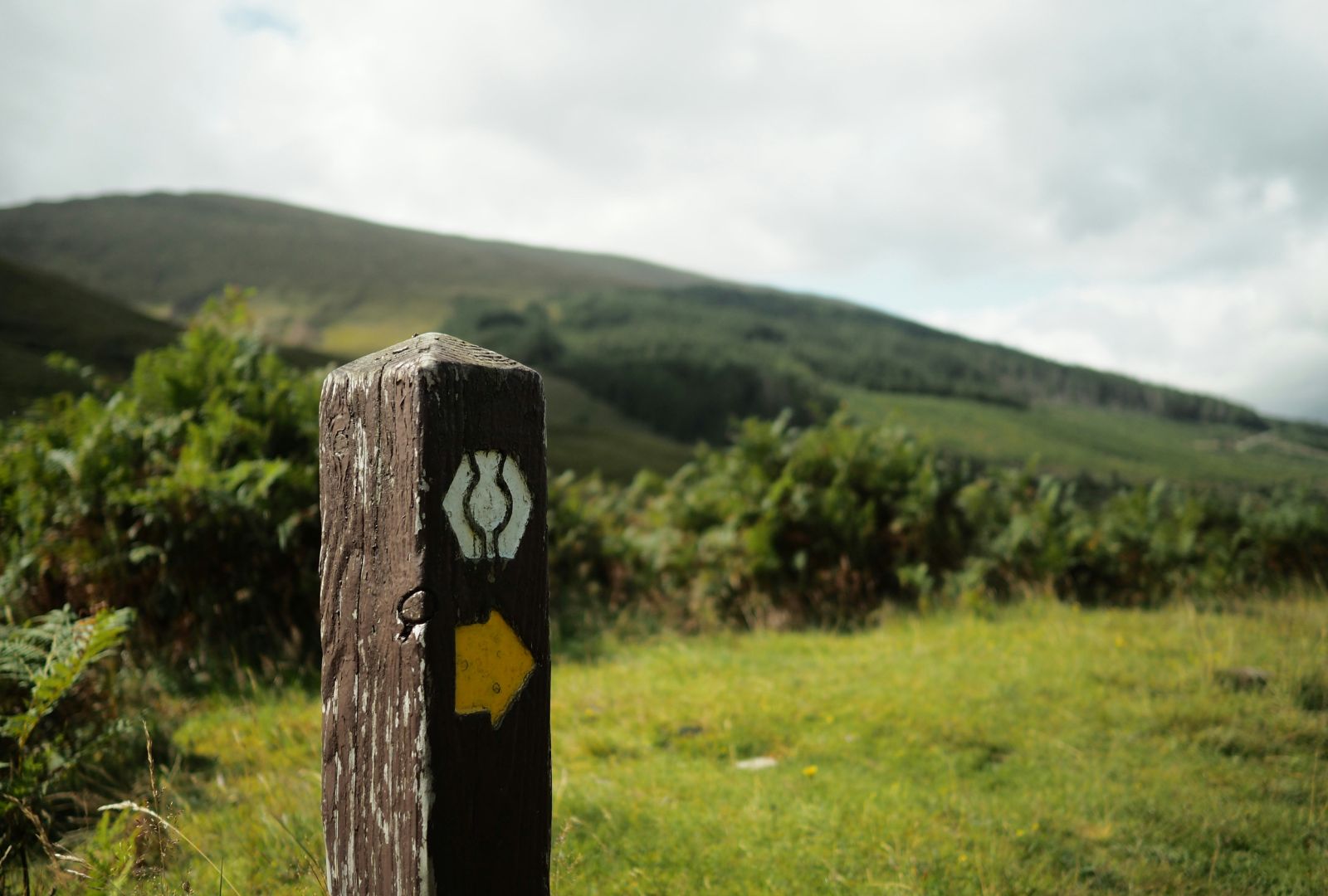
The West Highland Way was Scotland’s first official long-distance walking route and was officially opened to walkers on 6th October 1980. Stretching for 96 miles from Milngavie to Fort William, it remains one of the country’s most popular walking routes. Following ancient drove roads, military roads and well-maintained footpaths, the trail winds through forests, glens, mountains and remote moorland before finishing beneath Scotland and the United Kingdom’s highest mountain, Ben Nevis.
Why Summer is One of the Best Times to Walk the West Highland Way
Summer is a wonderful season to walk the West Highland Way. Scottish weather is known for being unpredictable, but summer brings warmer weather, alongside longer days and more daylight hours. The extra daylight is one of the biggest advantages. Around the summer solstice, Scotland enjoys up to 17 hours of daylight, giving you plenty of time to complete each stage at a comfortable pace. Allowing you to go at a slower pace when needed and to soak up the atmosphere along the trail without the stress of making it to the finish before dark.
Summer Wildflowers on the West Highland Way
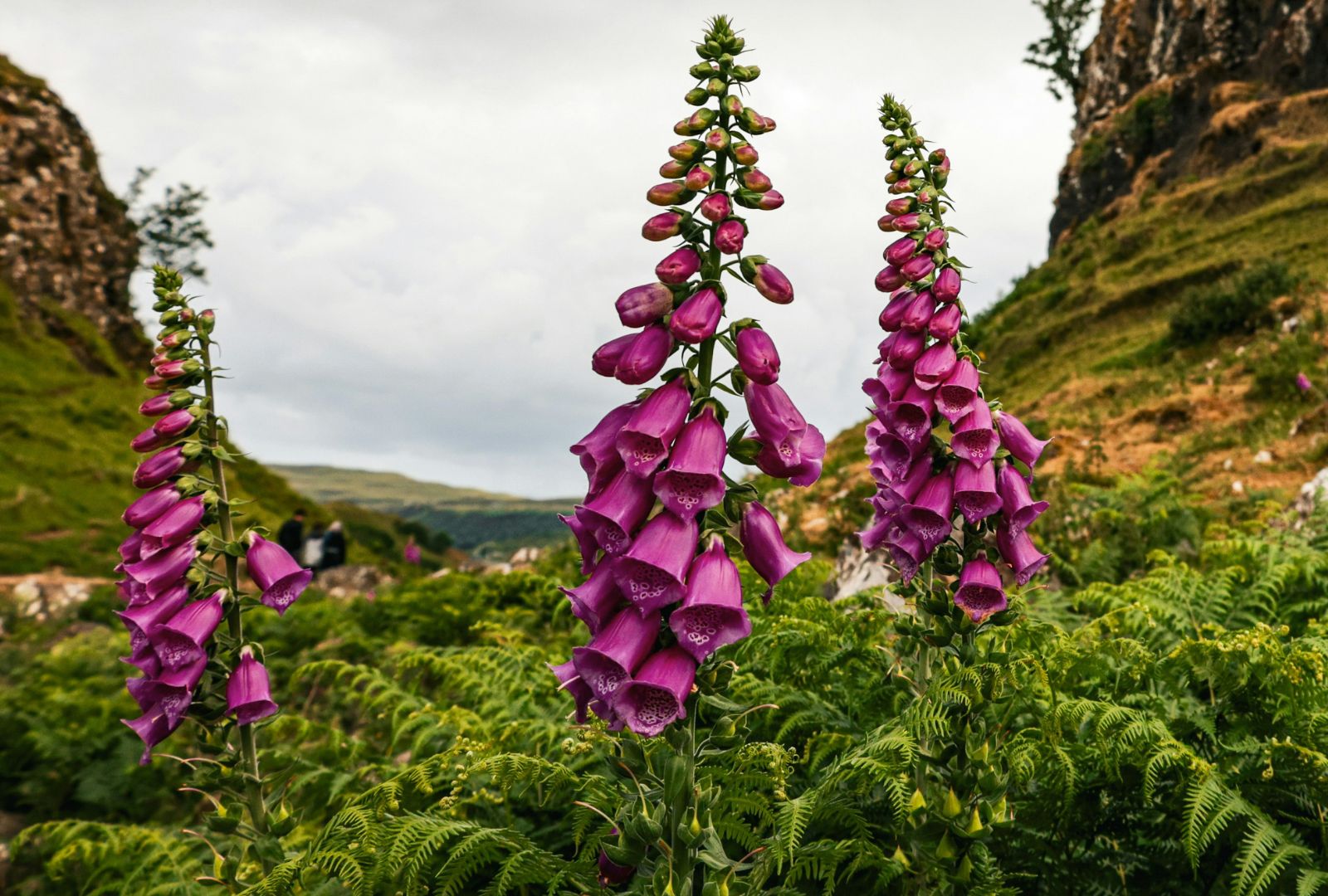
The unexpected highlight of walking the West Highland Way in summer is the abundance of wildflowers that brighten the landscape.Depending on when in the summer you visit you may spot purple foxgloves, yellow tormenting, spotted orchids, cotton grass and more. Heather beginning to bloom from late July into August, turning large areas of moorland into shades of purple Combined with the fresh green landscapes and sparkling lochs, these seasonal colours make summer one of the most photogenic times to experience the trail.
Enjoy Longer Days in the Scottish Highlands
Long summer days completely change the walking experience. Early sunrises and late sunsets allow you to enjoy the trail without feeling pressured by the clock.
Many walkers find they have time to explore villages along the route, relax outside their accommodation after a day’s walking or simply appreciate the ever-changing Highland scenery. It is these slower moments that often become the most memorable part of the journey.
West Highland Way FAQs
Is summer the best time to walk the West Highland Way?
For many walkers, yes. Summer offers the longest daylight hours, warmer temperatures, vibrant landscapes and the chance to see the Highlands at their greenest. It can also the busiest season, so you may find you are sharing the route with a few more people than in other seasons.
Can a beginner walk the West Highland Way?
Yes absolutely! The route is well signposted and achievable for anyone with a reasonable level of fitness. Kate says ‘I would absolutely recommend the West Highland Way to beginners, although probably over a longer period of days, to make the most of the stunning scenery and so it feels less like an endurance challenge and more like a leisurely walking holiday.’
How long does it take to walk the West Highland Way?
Most people complete the route within six to nine days. But this is only dependent on the selected itinerary and preferred pace of the walkers. We have a West Highland Way 6 Night Walk adventure, as well as a West Highland Way 9 Night Walk adventure, with other variations in between too.
What is the most difficult part of the West Highland Way?
It is said that the hardest part of the West Highland Way is the section between Rowardennan and Inverarnan. Kate says ‘this section was the most challenging both in terms of distance and terrain- it is almost 15 miles and very uneven underfoot, sometimes with a steep drop on the loch side.’
The Devil’ Staircase is also considered a difficult part of the trail, due to it being the highest point of the entire trail, reaching an elevation of 550 metres. It is a short section, but its zig-zagging gravel and stone ascent can make this physically demanding and exposing to the elements.
How bad are the midges during summer on the West Highland Way?
Midges are prevalent in June, July and August, although weather conditions could mean seeing them all way in May, through to September. As long as you’re prepared and have the necessary items with you, such as repellent and nets just in case you’ll be able to enjoy the trail as normal.
Kate says ‘We were quite lucky because although we both sustained a few bites, we certainly did not ever feel that they interrupted our enjoyment or necessitated the wearing of nets! An insect repellent is a great idea to have and I’d recommend Smidge. It is sold at most of the shops en route and it really seems to work better than anything else, as well as being deet free!’
If you are looking to experience the West Highland Way for yourself, contact us today to book your adventure.