

Why the Cotswold Way is One of England’s Most Beautiful Walks
There are walks where the landscape gives you one spectacular moment. Then there are walks where the scenery keeps on changing, day after day, without ever quite losing its sense of place.
The Cotswold Way belongs firmly in that second category.
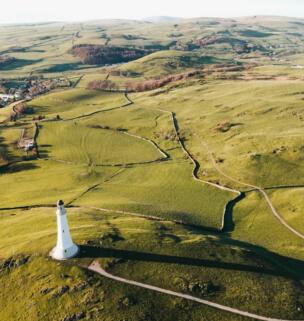
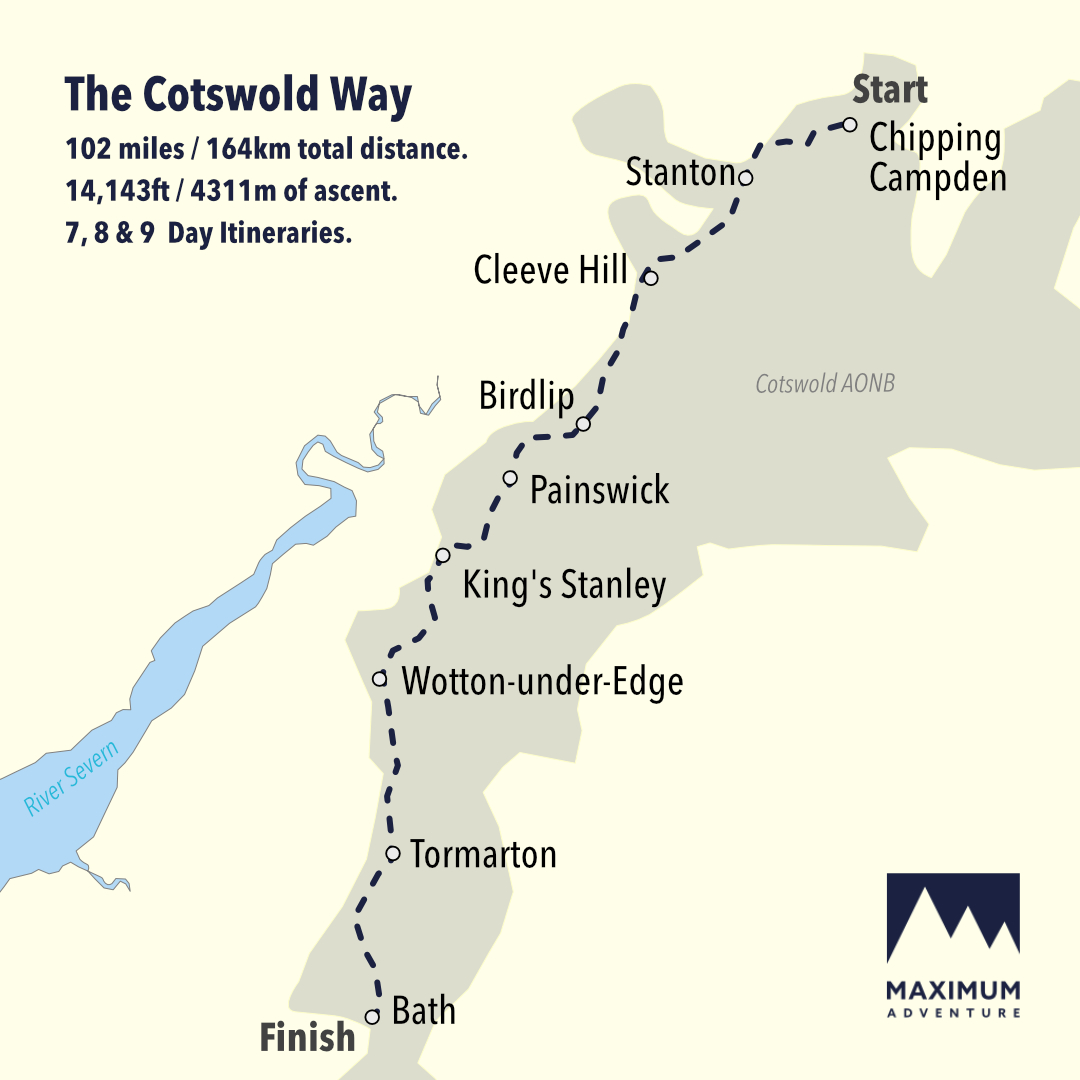
Stretching for 102 miles (164km) between Chipping Campden and Bath, the National Trail follows the Cotswold escarpment for much of its length, linking elevated viewpoints with rolling farmland, woodland, limestone grassland, historic landmarks, and some of England’s most recognisable villages.
That variety is what makes the Cotswold Way so compelling to travellers.
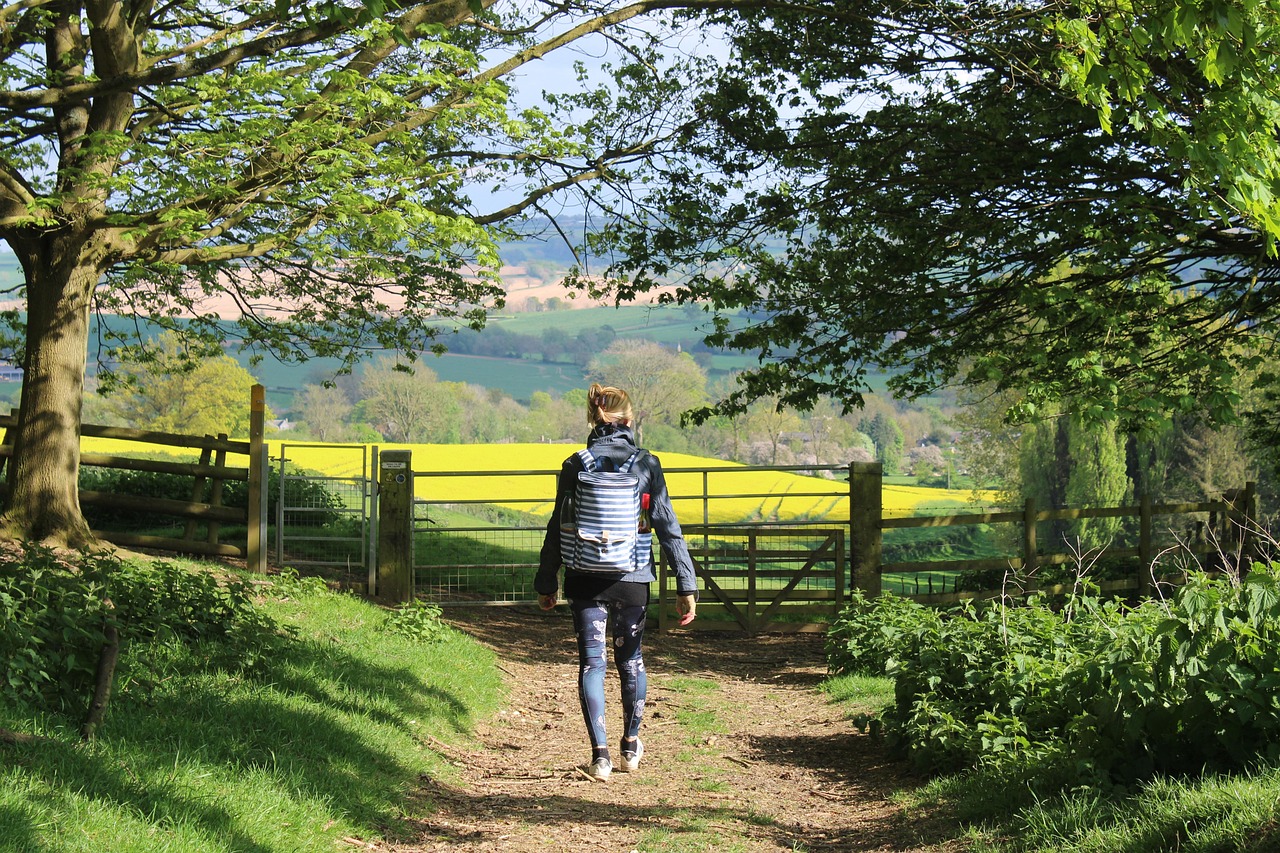
One day you can be looking across the countryside from a high escarpment; later you might be walking beneath beech trees, passing through a village built from local stone or even stopping beside the ruins of a medieval abbey.
So, what makes this particular long-distance trail one of England’s most beautiful walks?
What Makes the Cotswold Way So Beautiful?
The answer begins with the landscape itself.
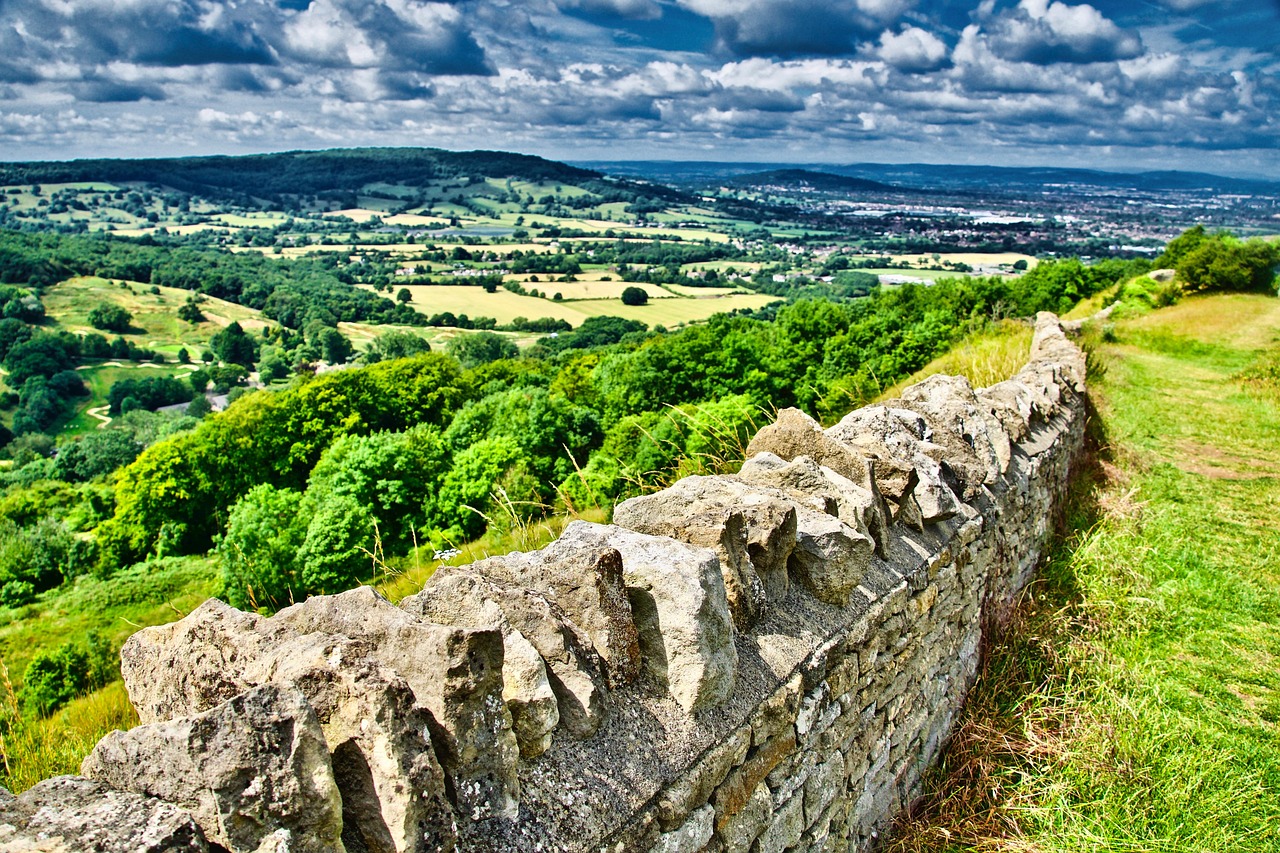
The western edge of the Cotswolds is defined by a prominent escarpment, shaped by the area’s underlying Jurassic limestone geology. The Cotswold Way follows this escarpment for much of its 102-mile journey, which helps explain why so many sections offer wide views across the captivating landscape below.
But the views are only a part of the story…
The trail moves through a surprisingly varied collection of landscapes: open hilltops, limestone grassland, farmland, valleys and woodland. The official Cotswolds National Landscape describes the route as combining its escarpment views with picturesque villages and historic sites.
That means the scenery rarely feels repetitive. Instead, the character of the walk changes as you move from one section to the next.
Panoramic Views That Keep Changing
For many walkers, the views are the defining feature of the Cotswold Way.
The Cotswolds National Landscape specifically highlights a series of high points along the route, including Broadway Tower, Tyndale Monument, Cleeve Hill, Painswick Beacon, Haresfield Beacon, Coaley Peak, Cam Long Down and North Common.
And importantly, these aren’t all variations of the same viewpoint. Each one gives you a different perspective on the landscape.
Broadway Tower
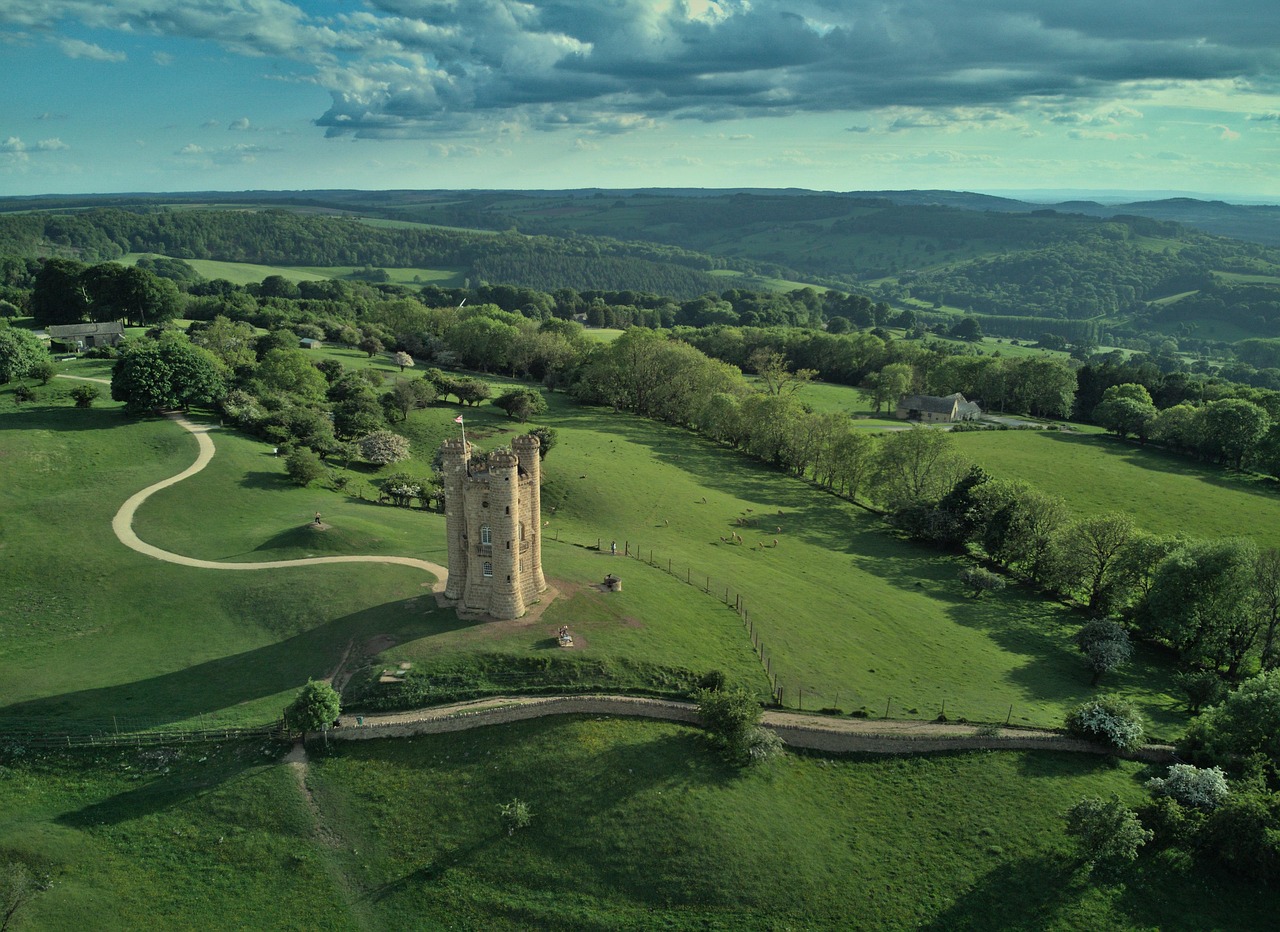
Early in the route, Broadway Tower provides one of the classic Cotswold viewpoints.
The official Cotswolds National Landscape route describes Broadway Tower as the second-highest point in the Cotswolds and notes that, on a clear day, views extend across fields, hills and hedgerows as far as South Wales.
It’s also a good example of how the Cotswold Way combines landscape with history. The tower itself was built in 1798 as a folly for Lady Coventry.
Cleeve Hill
Further south, Cleeve Hill provides another change of perspective.
Cleeve Common combines open hilltops, streams, woodland and limestone grassland, with views across the surrounding countryside. The Cotswolds National Landscape identifies the area as an important habitat for wildflowers and butterflies.
It’s a reminder that the Cotswold Way’s scenery isn’t simply about distant horizons. The landscape immediately around your feet can be just as interesting.
Painswick and Haresfield
Further along the route, Painswick Beacon and Haresfield Beacon provide yet more elevated views.
The official trail material identifies both as among the route’s notable high points, alongside Coaley Peak and Cam Long Down.
At Painswick Beacon, the route passes an Iron Age fort and limestone grassland, adding another layer to what might otherwise simply be described as a viewpoint.
From Woodland to Open Hillsides
One of the pleasures of a long-distance walk is watching the landscape change beneath your feet.
The Cotswold Way does this particularly well.
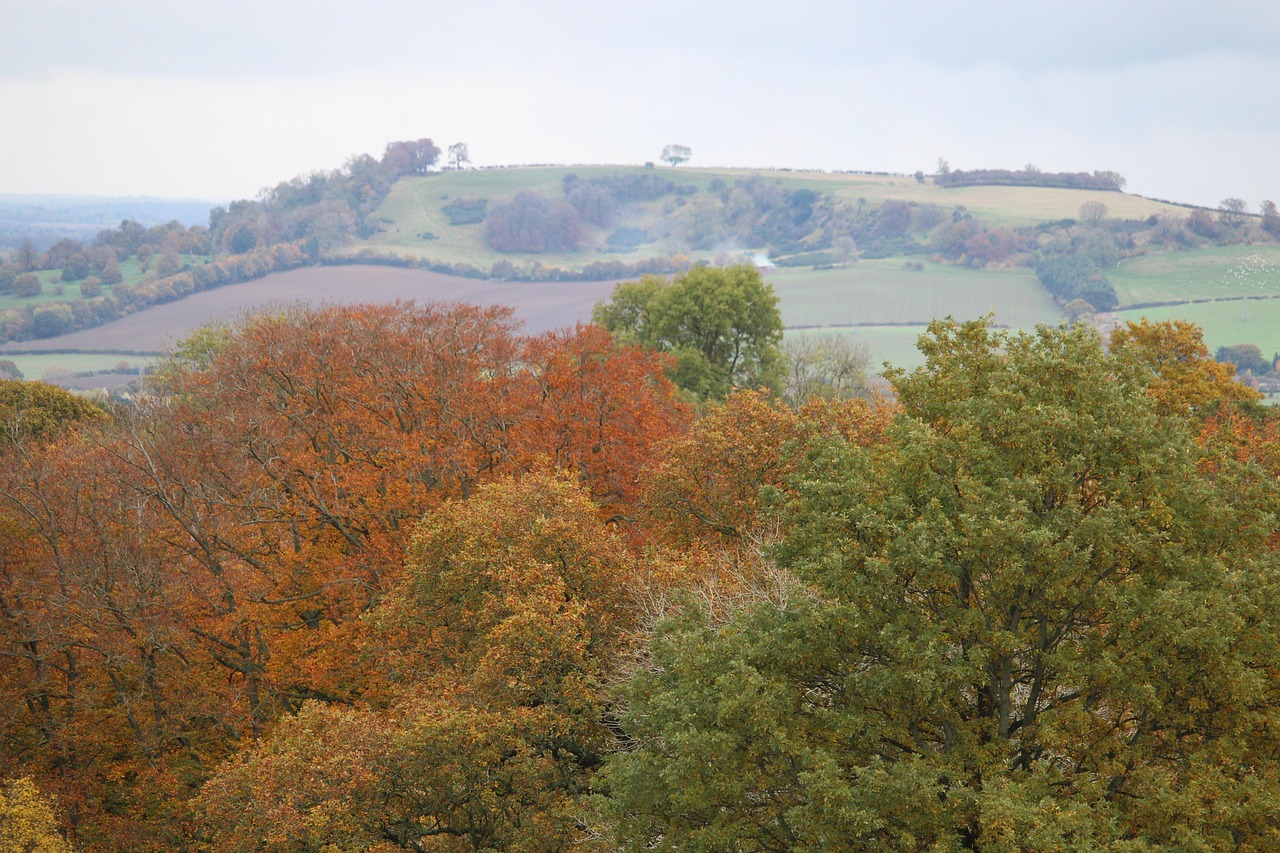
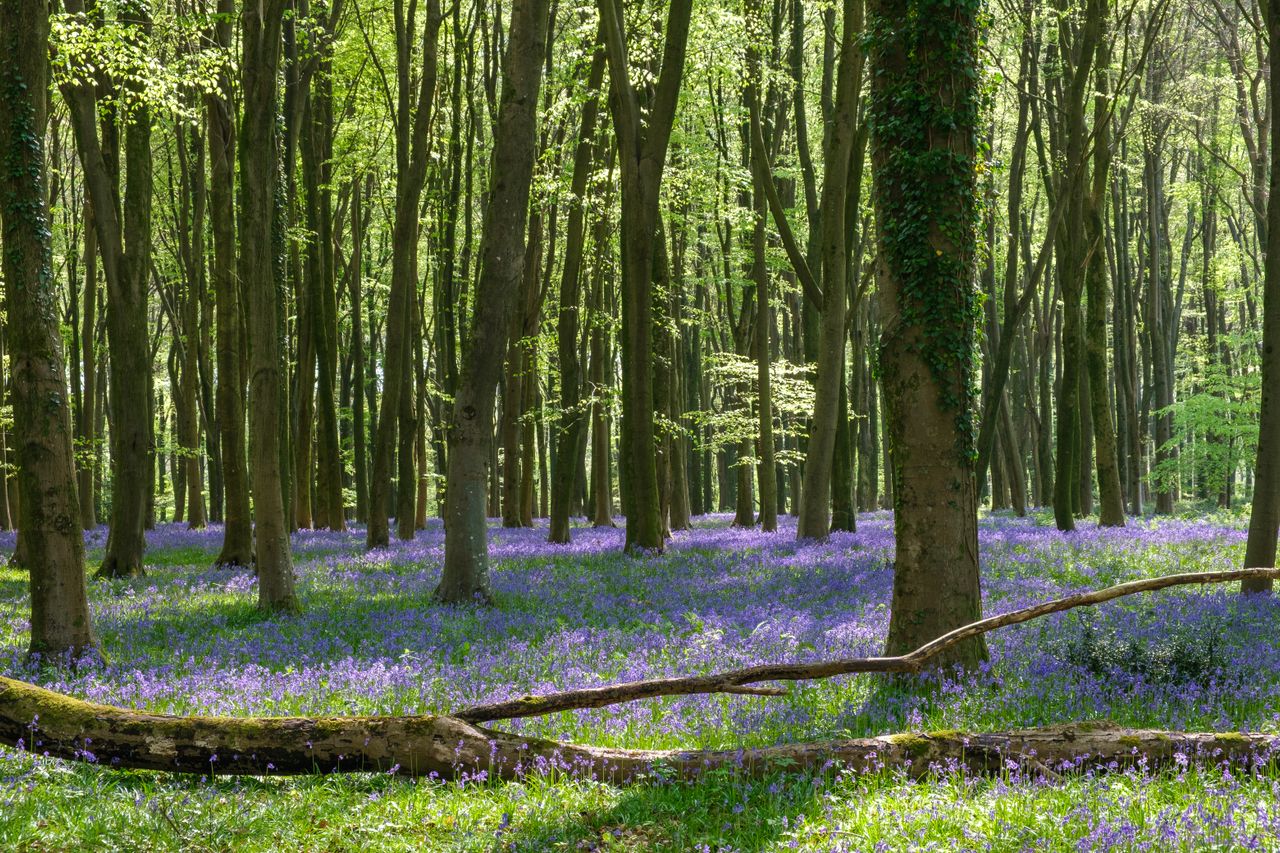
There are various open sections on the route where the horizon seems to stretch away from you, followed by more enclosed paths through woodland. Grassy hilltops, farmland, and valleys contrast with limestone grassland, which provides a beautiful habitat for the wildlife.
The Cotswolds National Landscape also highlights ancient beech trees at Lineover Woods and the wildlife found elsewhere along the trail, including orchids, Roman snails and fallow deer.
In other words, the scenery isn’t just something to look at in the distance. It’s happening all around you!
Cleeve Common and limestone grassland
Cleeve Common is particularly interesting because its beauty comes from a landscape that can look deceptively simple.
The open grassland is part of a habitat that supports a rich variety of wildflowers and butterflies, while the elevated position creates broad views across the surrounding countryside.
It’s a good example of why the Cotswold Way is best experienced slowly. The most memorable details aren’t necessarily the ones that appear on a postcard.
The Villages Are Part of the Scenery
The Cotswold Way would still be a beautiful walk without its villages, but they make it a much more distinctive one.
Chipping Campden, Broadway, Stanton and Painswick are among the settlements associated with the route, and the trail repeatedly moves between open countryside and historic communities.
That creates a rhythm to the journey.
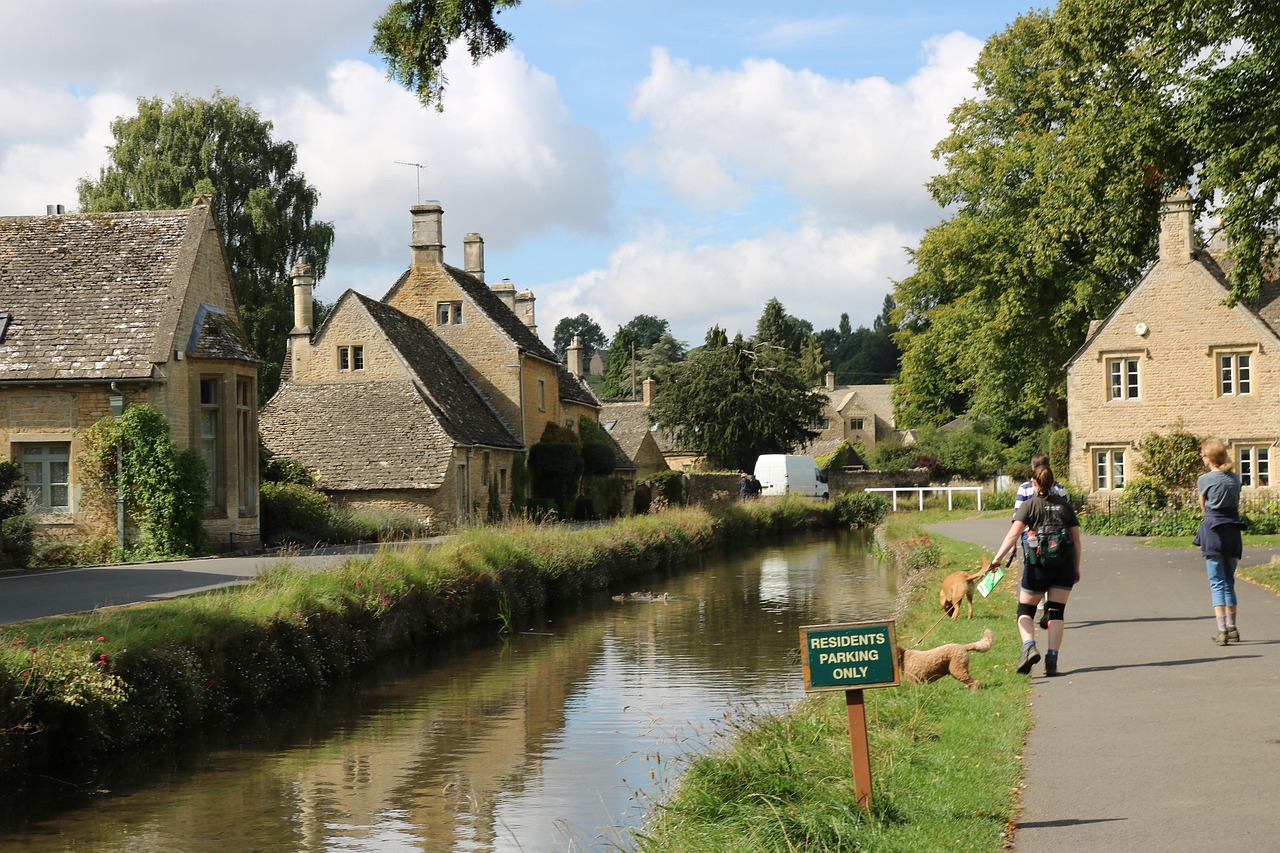
A stretch of open hillside might lead into a village where the landscape suddenly becomes streets, stone buildings and old churches. Then, before long, the path takes you back into the countryside.
The Cotswolds National Landscape describes the route as passing through picturesque villages and close to numerous historic sites.
Broadway is a particularly good example. The official walking route combines its picturesque High Street and historic tracks with the climb towards Broadway Tower, bringing together architecture, countryside and panoramic views in a single section of the walk.
A Walk Through Centuries of History
The Cotswold Way doesn’t just pass through a beautiful landscape. It passes through a landscape that has been shaped by people for centuries.
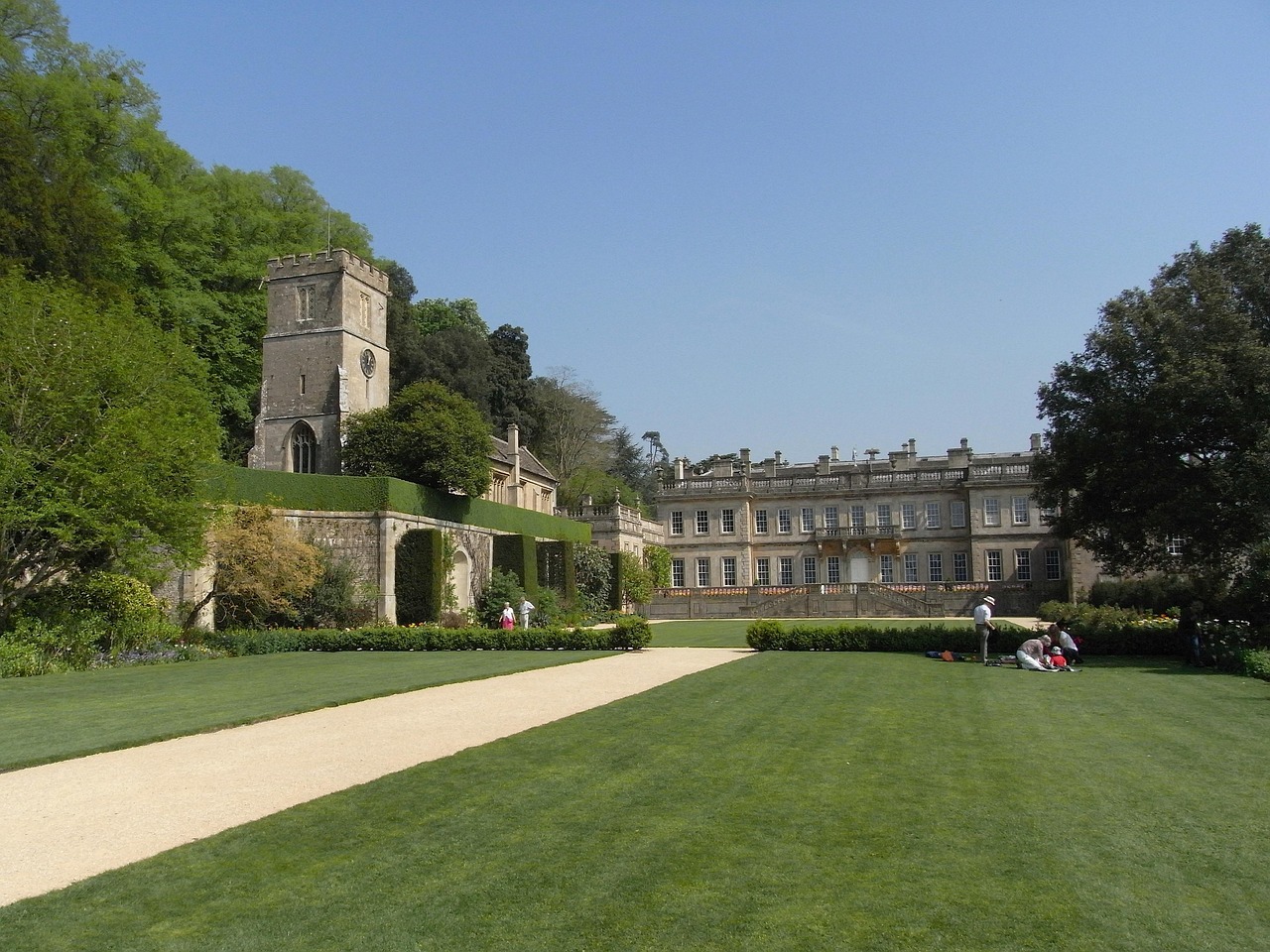
Along the route are sites including Belas Knap, a Neolithic burial chamber; Sudeley Castle; Hailes Abbey; historic churches and houses; and the Roman heritage of Bath.
Maximum Adventure’s current itinerary also takes walkers past Stanway House, Hailes Abbey, Sudeley Castle, Belas Knap, the Devil’s Chimney, Dyrham Park and numerous other historic features before finishing in Bath.
That gives the walk another dimension.
A hill isn’t simply a hill when there is an Iron Age fort on top of it. A stretch of woodland isn’t simply woodland when it leads towards the ruins of an abbey. A city isn’t simply the end of the route when you arrive at one of England’s most recognisable historic destinations.
Why Walking Is the Best Way to Experience the Cotswolds
You can visit the Cotswolds by car.
You can explore its villages by road.
You can stop at viewpoints and take photographs.
But a long-distance walking trail gives you something those experiences don’t: continuity.
You don’t simply arrive at a viewpoint. You walk towards it.
You don’t simply visit a village. You approach it from the countryside, spend time there and then leave it behind as the trail carries on, and you don’t see the landscape as a collection of disconnected attractions. You experience how one landscape becomes another. That is one of the strongest arguments for walking the Cotswold Way as a multi-day adventure.
The journey itself becomes the destination.
What Is It Actually Like to Walk the Cotswold Way?
The beauty of the Cotswold Way shouldn’t disguise the fact that this is a proper long-distance walking challenge.
The complete route is 102 miles (164km), and Maximum Adventure’s current eight-day itinerary includes approximately 4,311m (14,143ft) of ascent.
The daily distances vary considerably.
Maximum Adventure’s itinerary ranges from a 7-mile day between Birdlip and Painswick to 16-mile days on sections including Cleeve Hill to Birdlip and Tormarton to Bath. Some days also involve significant ascent, including 780m on the King’s Stanley to Wotton-under-Edge section.
So while the Cotswold Way is renowned for its attractive scenery and accessible countryside, it should still be approached as a multi-day walking adventure.
And that is part of its appeal.
There is a particular satisfaction in reaching Bath knowing that you’ve crossed 102 miles of English countryside under your own power!
Experience the Cotswold Way With Maximum Adventure
For walkers who want to experience the complete route without having to organise every element themselves, Maximum Adventure currently offers an array of itinararies. One of which is 8-night self-guided Cotswold Way walking holiday.
The trip includes:
- 8 nights’ accommodation
- Breakfast
- Daily luggage transfers
- A map and guidebook
- Detailed directions
- Expert local knowledge
- 24-hour emergency assistance
- Professional event organisation
That means you can concentrate on the part that matters most: walking this amazing route.
Your luggage is transferred between accommodations each walking day, while you carry what you need for the day’s route. The trip is self-guided, but Maximum Adventure can also provide a qualified leader if you would prefer additional guiding support.
The itinerary starts in Chipping Campden and finishes in Bath, taking in many of the landscapes and landmarks that make the Cotswold Way distinctive along the way.
Ready to Experience the Cotswold Way for Yourself?
The Cotswold Way’s appeal isn’t down to one famous viewpoint or one particularly pretty village.
It’s the combination of every little feature that makes up this iconic route.
The escarpment creates the big views. Limestone grassland and woodland provide variety underfoot. Villages give the journey character. Historic landmarks connect the landscape with its past. And the fact that it all unfolds over 102 miles means you have time to experience the Cotswolds rather than simply pass through them.
If you’re looking for a walking holiday that combines beautiful English countryside, historic landscapes, challenging days on the trail and a genuine sense of journey, the Cotswold Way is difficult to overlook.
And with the practical details organised for you, you can spend less time worrying about luggage and logistics and more time looking up at the view.
Explore the Cotswold Way walking holiday with Maximum Adventure →