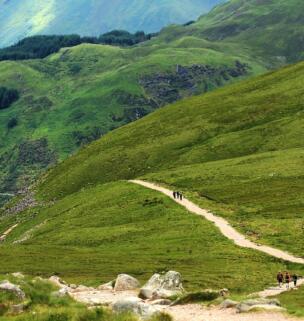


The West Highland Way: A Journey Through Scotland’s Wildest Landscapes
There’s something special about exploring a landscape on foot. You notice the little things: the sound of water moving over stones, the changing shape of the mountains ahead, the way a quiet path opens into a vast stretch of wilderness. And when you spend a whole week walking, those moments become part of a much bigger journey.
The West Highland Way offers all of this and more.
Stretching approximately 96 miles (153 km) from Milngavie, just outside Glasgow, to Fort William in the Scottish Highlands, this classic long-distance trail takes you through an extraordinary variety of scenery. You’ll follow woodland paths, walk beside the bonnie banks of Loch Lomond, cross the open expanse of Rannoch Moor and make your way through mountain country towards the foot of Ben Nevis.
It’s a route that gradually draws you away from the familiar and deeper into the Highlands. Each day brings a new stretch of trail, a different landscape and another opportunity to discover why this walk has become one of Scotland’s best-known long-distance adventures.
With Maximum Adventure’s West Highland Way – 7 Nights trip, you can experience the entire route at a measured walking pace, with accommodation, daily luggage transfers and route information organised for you.
Whether you’re an experienced long-distance walker or ready to take on your first major walking holiday, this is an opportunity to slow down, spend a week outdoors and experience Scotland one step at a time.
Explore the West Highland Way – 7 Nights
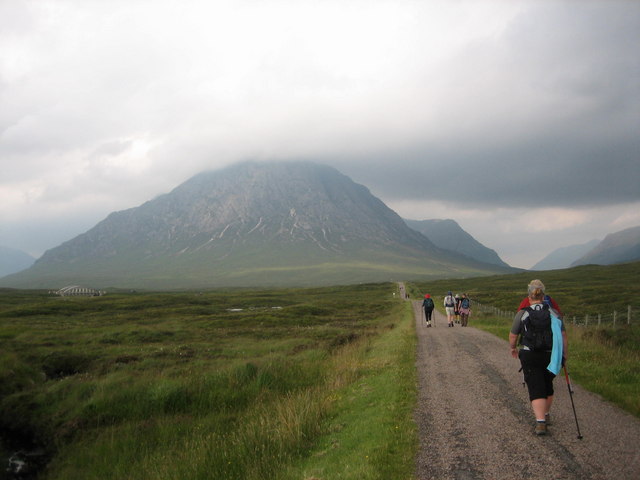
Image by Robert Smallman
A trail that gets wilder with every step
One of the great pleasures of walking the West Highland Way is how much the scenery changes along the route.
You begin in the countryside north of Glasgow, where woodland paths, open fields and gentle trails offer a welcoming introduction. As you travel north, the route reaches the shores of Loch Lomond, follows its rugged eastern edge and leads into increasingly remote Highland landscapes.
Further along, the open moorland of Rannoch Moor creates a striking contrast to the sheltered woodland trails earlier in the walk. Mountain scenery becomes more prominent, the landscape feels more expansive, and the trail takes you through some of Scotland’s most memorable terrain before the final approach to Fort William.
The West Highland Way is not simply a walk from one town to another. It’s a gradual transition from countryside to the Highlands, with each stage contributing something different to the experience.
Here are some of the highlights that make the journey so rewarding.
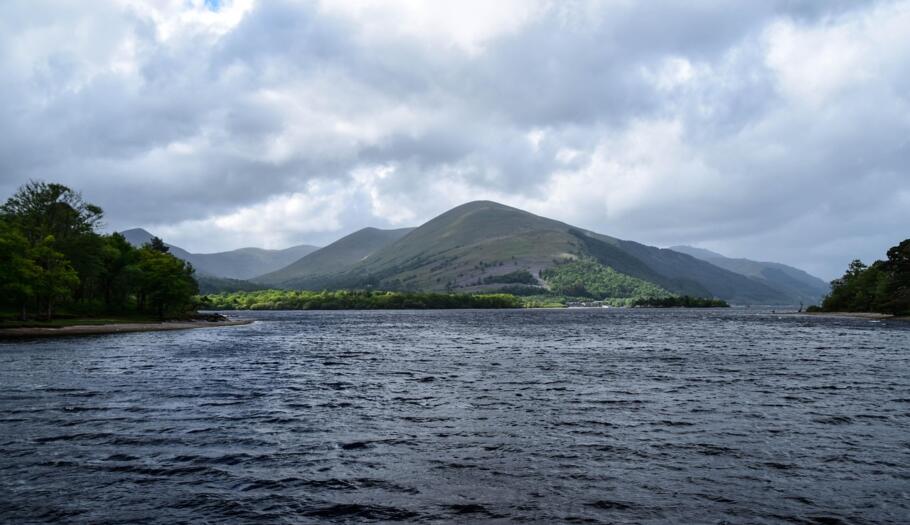
Loch Lomond: Where the adventure finds its rhythm
After setting off from Milngavie and walking through the countryside, the West Highland Way brings you towards Loch Lomond, one of Scotland’s most recognisable landscapes.
The loch is a defining feature of the early stages of the walk. Its broad waters, wooded shoreline and surrounding hills create a beautiful setting for a long day on the trail. In places, the route passes through woodland close to the water; elsewhere, the landscape opens up to reveal wider views across the loch and towards the mountains beyond.
The climb over Conic Hill, near Balmaha, is a memorable feature of this section. The ascent brings a change in perspective, with views across Loch Lomond and its islands rewarding the effort when visibility allows.
But the lochside stages are not all gentle strolling. The trail along the eastern shore becomes rugged in places, with uneven ground and sections that require care and a steady pace.
That variety is part of what makes this stretch so appealing. You can take in the scenery, settle into the rhythm of walking and enjoy the feeling of gradually leaving everyday life behind.
Rannoch Moor: Discover the scale of the Highlands
As the trail continues north, the scenery begins to feel more open and remote. Woodland gives way to wider valleys and expansive moorland, leading towards one of the most distinctive parts of the route: Rannoch Moor.
This is a landscape defined by space. Broad stretches of open ground, scattered pools of water and surrounding mountains create a sense of scale that feels very different from the sheltered paths around Loch Lomond.
Crossing the moor is one of the defining experiences of the West Highland Way. You’re walking through a landscape where the weather and visibility can have a real influence on the day, and where suitable clothing, preparation and attention to the trail are essential.
It’s also a reminder that a long-distance walk is about more than reaching the next overnight stop. Sometimes the most memorable part of a day is simply being out in the landscape, watching it unfold around you and appreciating how far you’ve travelled on foot.
Beyond Rannoch Moor, the route continues through the dramatic mountain scenery around Glencoe and towards Kingshouse, where the surrounding peaks make a powerful impression.
For walkers who love wide-open Highland landscapes, this is a section to savour.
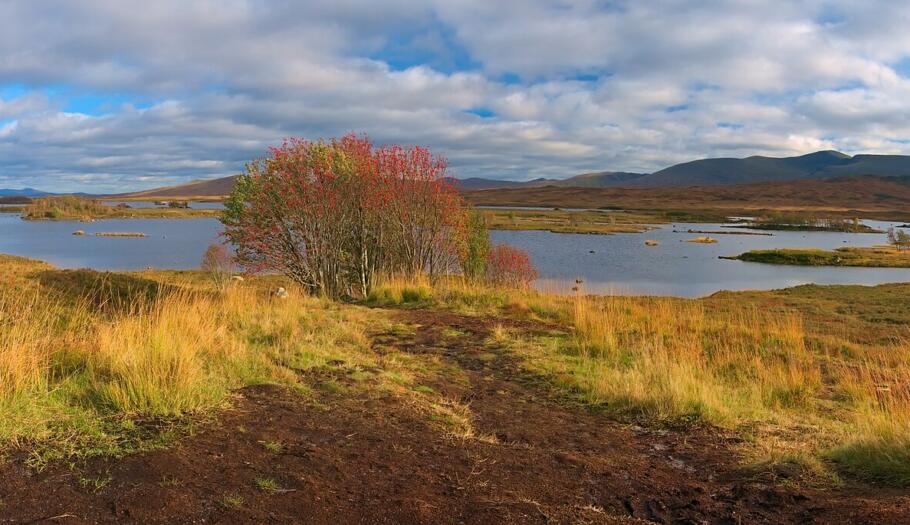
Image by Daniel Kraft
The Devil’s Staircase: A climb with a view
The name sounds intimidating, but the Devil’s Staircase is one of the best-known features of the West Highland Way.
Located between Kingshouse and Kinlochleven, this section climbs to the highest point on the route, approximately 548 metres above sea level. The ascent is a significant moment in the journey, particularly after several days of walking, but the effort is rewarded with expansive views across the surrounding Highlands when conditions are clear.
The climb is followed by a descent towards Kinlochleven, where the landscape changes again as the trail drops towards the settlement at the head of Loch Leven.
There’s a particular satisfaction in reaching a high point on a long-distance walk. It’s not just about the elevation; it’s about the miles you’ve already covered, the effort you’ve put in and the knowledge that you’re progressing along a route that crosses an entire region.
The Devil’s Staircase captures that feeling perfectly. It’s a memorable section of trail and a reminder that the West Highland Way is a genuine walking challenge, not simply a sightseeing holiday.
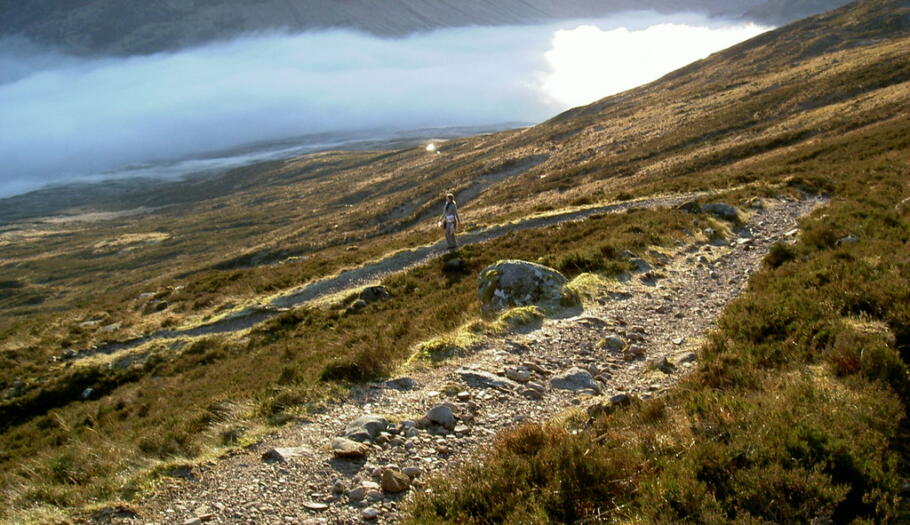
Image by Alan Reid
Fort William: The finish line at the foot of Ben Nevis
After a week of walking, the final stage takes you from Kinlochleven towards Fort William.
The day begins with a steep climb out of Kinlochleven before the route continues through the Lairigmor area and into Glen Nevis. The landscape provides a fitting finale, with mountain scenery accompanying the final miles towards Fort William. Ben Nevis, the highest mountain in the United Kingdom, forms a striking presence in the surrounding landscape.
By this point, you’ll have experienced woodland trails, lochside paths, open moorland and rugged mountain terrain. Your legs may be tired, but each step brings you closer to the finish.
Arriving in Fort William marks the end of the West Highland Way. You’ve walked from the outskirts of Glasgow into the Highlands, covered approximately 96 miles and experienced a remarkable cross-section of Scotland’s landscapes.
It’s a finish worth taking your time over. Look back on the journey, enjoy the satisfaction of completing the route and give yourself credit for the effort it took to get there.
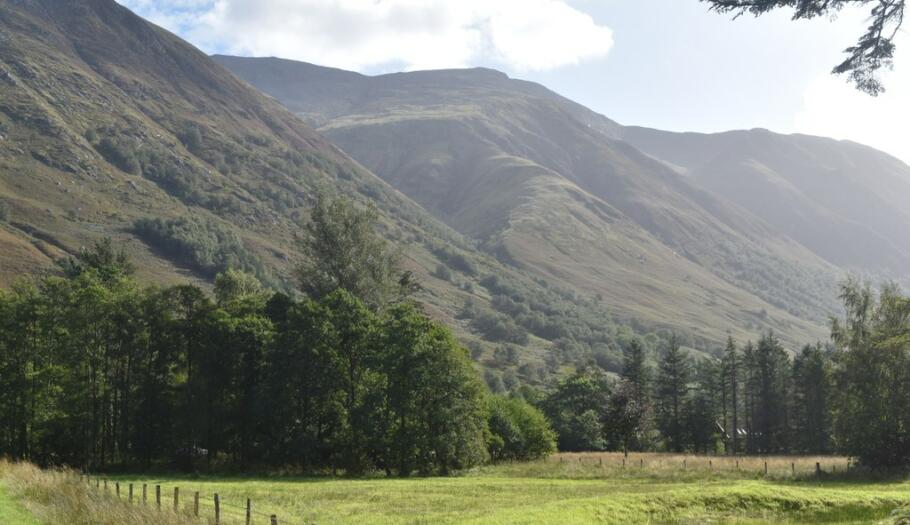
Image by David Martin
Walking the West Highland Way with Maximum Adventure
Completing a long-distance trail requires more than a good pair of boots. You need to plan your overnight stops, work out how to carry your belongings, organise accommodation and make sure you have the information needed to follow the route.
Maximum Adventure’s seven-night West Highland Way trip takes care of many of those practical details, allowing you to concentrate on the walking and the scenery.
Seven nights of accommodation
Your trip includes seven nights’ accommodation along the route. After each day on the trail, you can look forward to reaching your overnight stop and getting ready for the next stage.
The itinerary is designed to take you from Milngavie to Fort William over seven days of walking, with overnight stops arranged along the way. Accommodation availability can vary, so alternative nearby accommodation and taxi transfers may occasionally be needed.
Daily door-to-door luggage transfers
One of the biggest advantages of a luggage-supported walking holiday is not having to carry all your belongings from one accommodation stop to the next.
Daily luggage transfers are included, so you can walk with a daypack containing the essentials you need for the trail while your main luggage is transported to your next overnight stop.
You’ll still need to carry water, food, waterproofs, spare layers and other items required during the day, but you can leave your larger bag to the transfer service in line with the operator’s instructions.
Guidebook and map provided
The trip includes a guidebook and map to help you navigate the route. The West Highland Way is a well-established and waymarked trail, but it’s still important to understand your daily stage and be prepared for changing weather and walking conditions.
Take time to familiarise yourself with the route information before setting off each morning.
Support when you need it
Maximum Adventure provides 24-hour on-call assistance during your walk if necessary, along with expert local knowledge and help with the arrangements for your trip.
The holiday is self-guided, so you’ll walk at your own pace rather than following a mountain leader throughout the route. You should be comfortable following route information, managing your walking day and making sensible decisions about the conditions.
The benefit is a balance of independence and support: you get to experience the trail on your own terms, with important logistics arranged in advance.
Discover the West Highland Way – 7 Nights
What does the seven-night itinerary look like?
The West Highland Way – 7 Nights trip is arranged as seven days of walking, with accommodation on the night before the first walking day and each night along the route.
Here’s a snapshot of the journey.
Arrival: Milngavie
Arrive in Milngavie and check into your accommodation, ready to begin the walk the following day.
Day 1: Milngavie to Drymen
Set off from the official starting point and follow the trail through countryside and woodland towards Drymen. This is your introduction to the route and an opportunity to settle into a comfortable walking rhythm.
Day 2: Drymen to Rowardennan
Continue towards Loch Lomond, with the option of walking over Conic Hill for views across the loch and surrounding hills. The route then follows the eastern shoreline towards Rowardennan.
Day 3: Rowardennan to Inverarnan
Follow the rugged eastern side of Loch Lomond, passing woodland and secluded stretches of shoreline before continuing towards Inverarnan. This is a demanding section in places, so allow time and take care on uneven terrain.
Day 4: Inverarnan to Tyndrum
Head north through Glen Falloch and onwards towards Tyndrum, passing river scenery and mountain views as the landscape gradually changes.
Day 5: Tyndrum to Kingshouse
Walk into increasingly dramatic Highland scenery before crossing the open expanse of Rannoch Moor and continuing towards Kingshouse.
Day 6: Kingshouse to Kinlochleven
Climb the Devil’s Staircase to the highest point on the route, then descend towards Kinlochleven.
Day 7: Kinlochleven to Fort William
Take on the final stage through the Lairigmor area and Glen Nevis before reaching Fort William and completing the West Highland Way.
This itinerary is a guide; exact arrangements and walking timings may vary. The accommodation location for the Rannoch Moor section can involve a surcharge or alternative arrangements, depending on the option selected and availability. Check the current trip page for the confirmed details before booking.
Is the West Highland Way right for you?
The West Highland Way can be an excellent choice if you enjoy spending time outdoors, want to experience Scotland beyond its cities and are looking for a walking holiday with a clear sense of progress.
You don’t need to be a mountaineer, but you do need to be prepared for a week of walking. Some stages are long, the ground can be uneven and the weather can change quickly. The trail’s more remote sections require sensible preparation and appropriate equipment.
Before you book, consider the following:
- Walking fitness: Build up to longer walks before your trip, including days on hills and uneven terrain.
- Footwear: Use comfortable, well-tested walking boots or suitable trail footwear.
- Weather protection: Pack waterproof clothing and warm layers. Scottish weather can change quickly, even in the warmer months.
- Food and water: Plan for the needs of each walking day and carry enough supplies.
- Navigation: Familiarise yourself with the guidebook, map and daily route information.
- Recovery: Give yourself time to rest in the evenings and look after your feet throughout the week.
The best preparation is to make the walking feel familiar before you arrive. That way, you can spend more of your trip enjoying the landscape rather than worrying about whether your kit or fitness will hold up.
For official route information and further planning advice, visit the West Highland Way’s route guide.
Your Highland adventure starts here
Some walking holidays are about escaping for a few days. The West Highland Way offers something more: a journey across Scotland, one stage at a time.
You’ll start in the countryside outside Glasgow, follow the shores of Loch Lomond, cross the open moorland of Rannoch Moor and travel deeper into the Highlands. Along the way, you’ll tackle demanding sections of trail, enjoy changing landscapes and experience the satisfaction that comes from covering a long distance on foot.
By the time you reach Fort William, you’ll have completed approximately 96 miles of one of Scotland’s classic long-distance routes.
With Maximum Adventure’s West Highland Way – 7 Nights trip, your accommodation, luggage transfers, guidebook and map are arranged to help you focus on the journey itself.
If you’re ready to spend a week walking through some of Scotland’s most memorable landscapes, this could be the adventure you’ve been looking for.
Pack your boots, make time for the Highlands and discover the West Highland Way.
Explore the West Highland Way – 7 Nights with Maximum Adventure